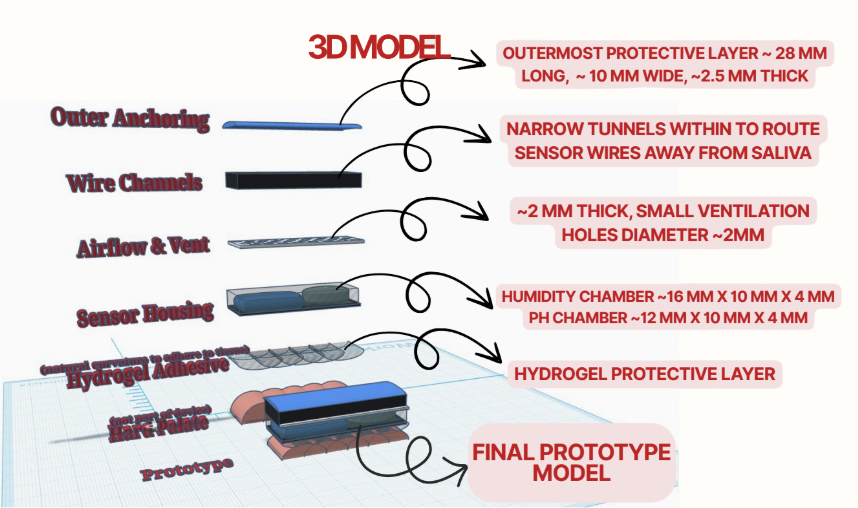
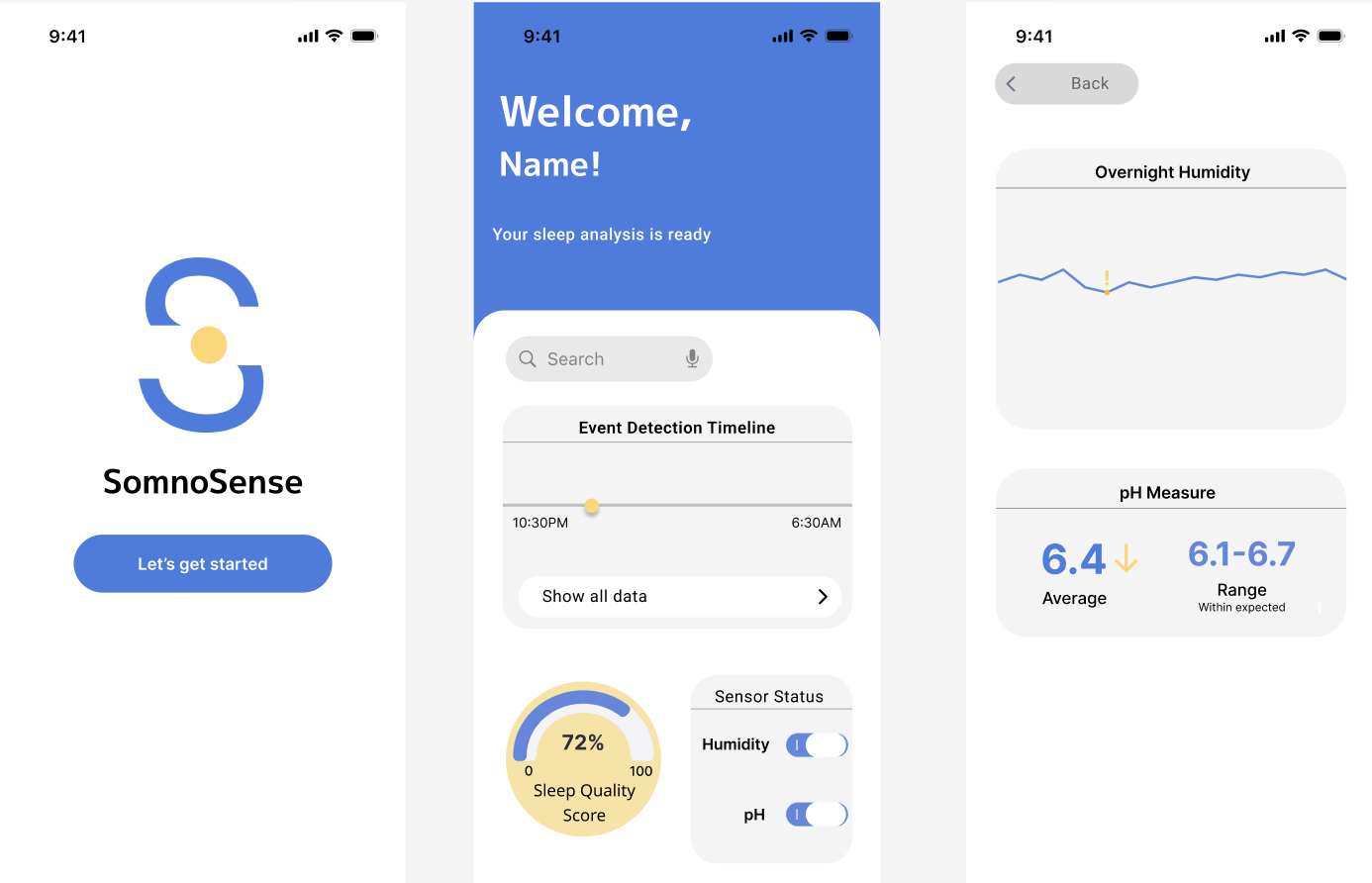
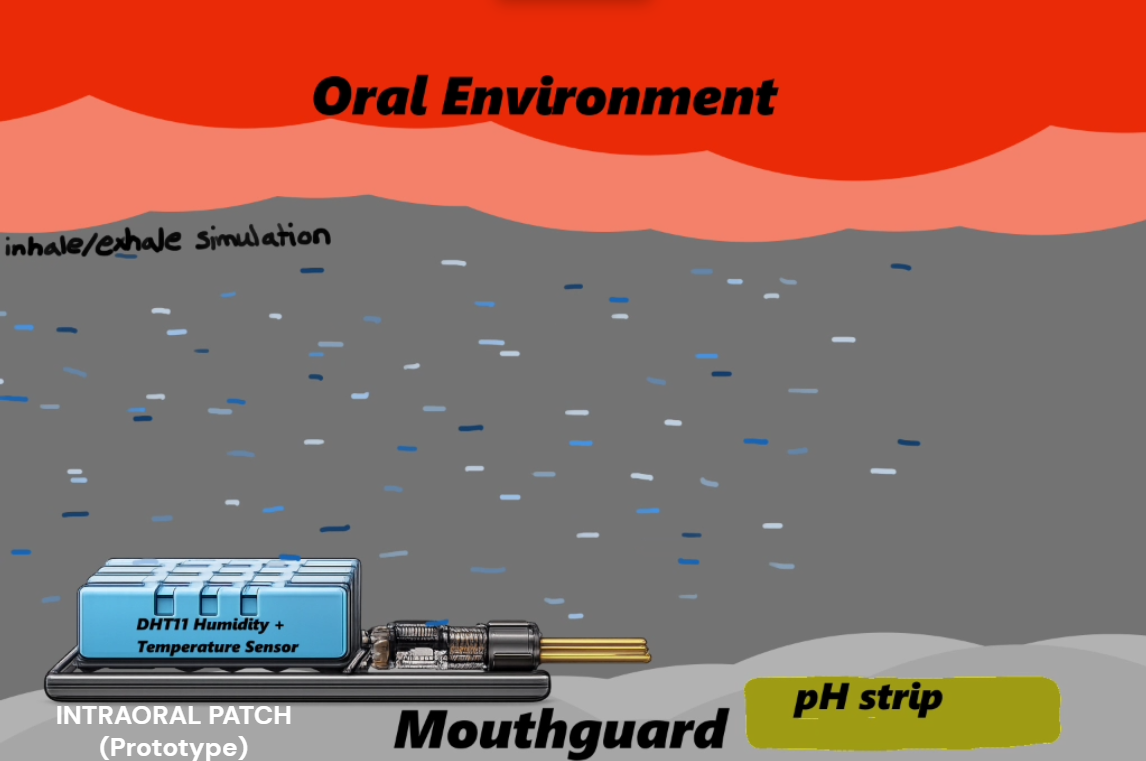
Somnosense - Intraoral Sleep Apnea Sensor Patch
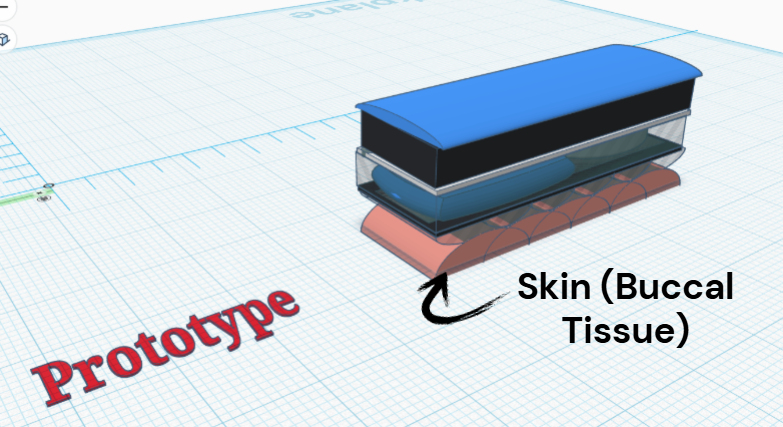
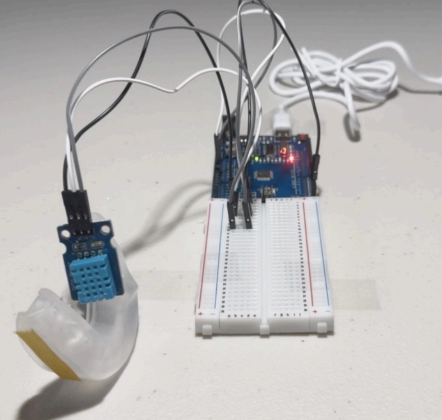
To address the limited accessibility of sleep apnea diagnosis, my team developed a low-cost intraoral sensor patch capable of detecting sleep apnea symptoms from home. Our project received the Conrad Challenge Innovator Award, recognizing the top 10% of submissions nationwide. Beyond learning engineering and product development, this experience showed me how neuroscience research can become practical technology that directly improves patients' quality of life.
Children's Sleep Book: The Blooming Mind
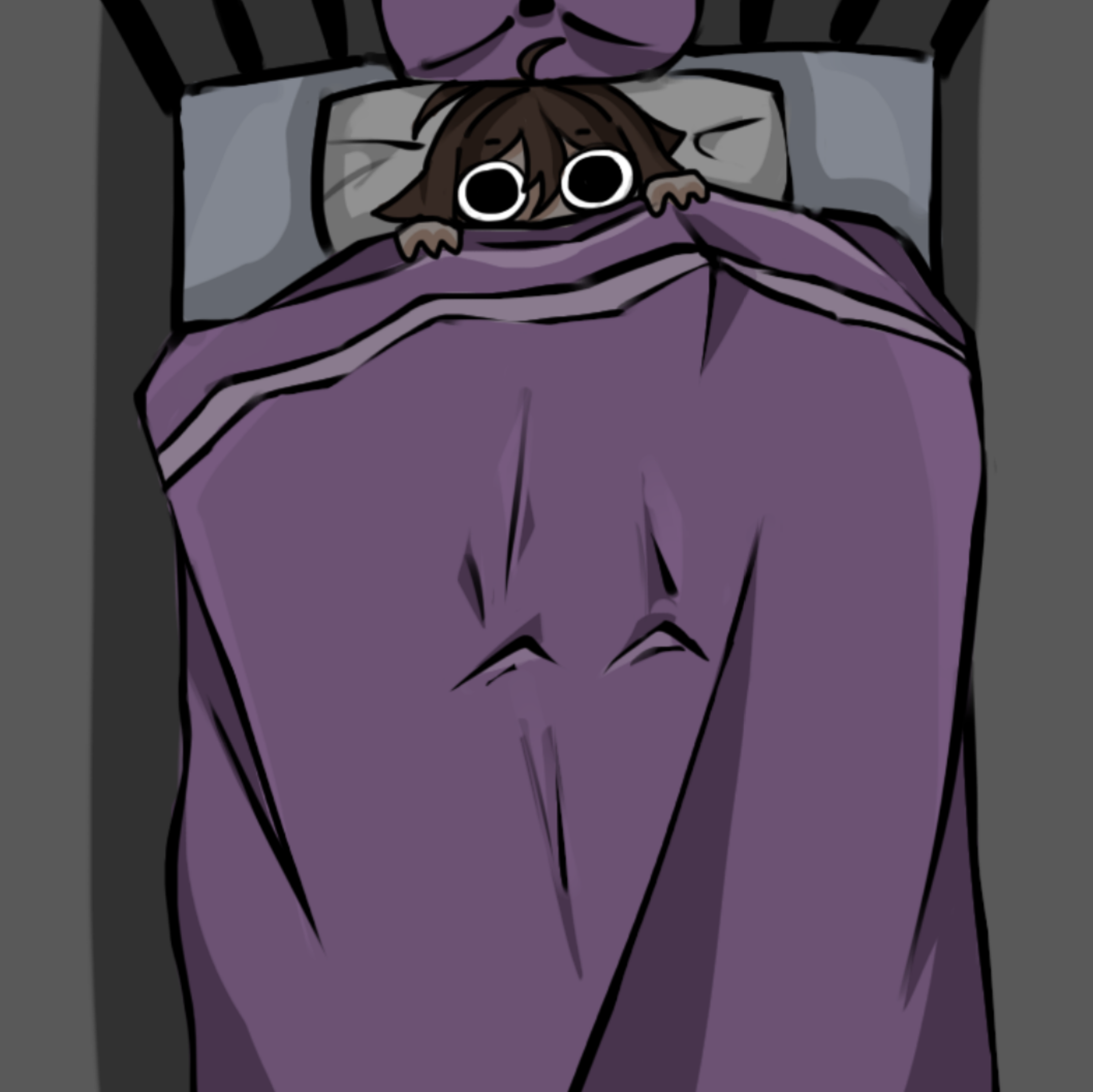
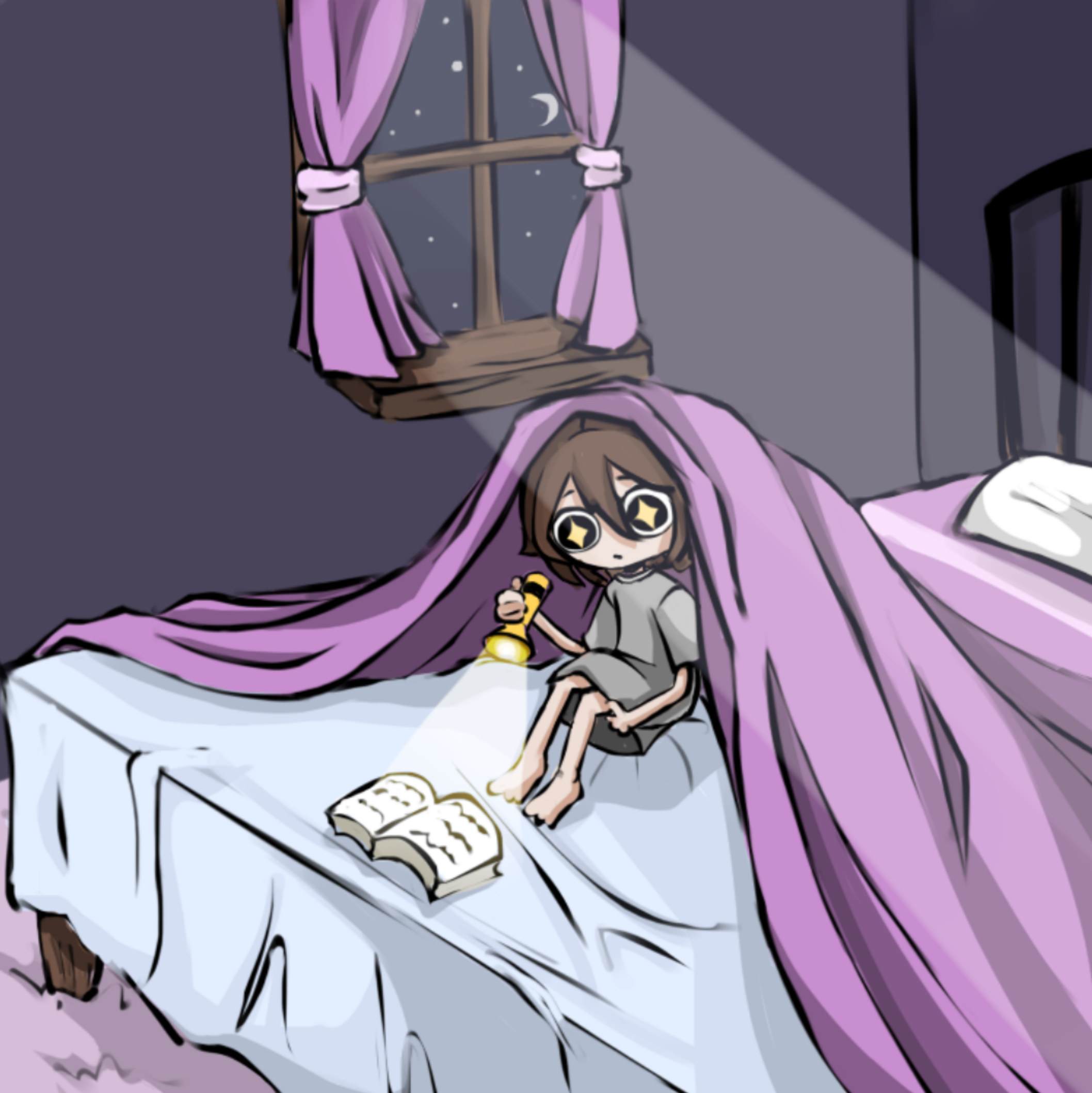
After realizing how little awareness many adults, much less children, have about healthy sleep habits and their impact on brain and physical health, I decided to make neuroscience more accessible by writing and illustrating a children's book about sleep science. Through engaging stories and illustrations, I explained concepts like the circadian rhythm, brain development, and healthy sleep in an enjoyable yet educational way, encouraging students to build healthy habits from a young age. The story focuses on a young girl who loves to read, often neglecting her sleep schedule and staying up all night. Eventually, her actions began to have physical consequences, such as chronic fatigue and clumsiness, which eventually led to her falling sick. In her sleep, a guardian fairy visits her, taking her to her "brain garden" and showing her the mechanisms of her mind. With a new awareness of what happens in her mind and why sleep is so important, the girl returns to real life, determined to change. Scheduled to be published on Amazon during the summer of 2026, I am planning to spread the impact of the book by sharing it with local elementary schoolers and students at the library.
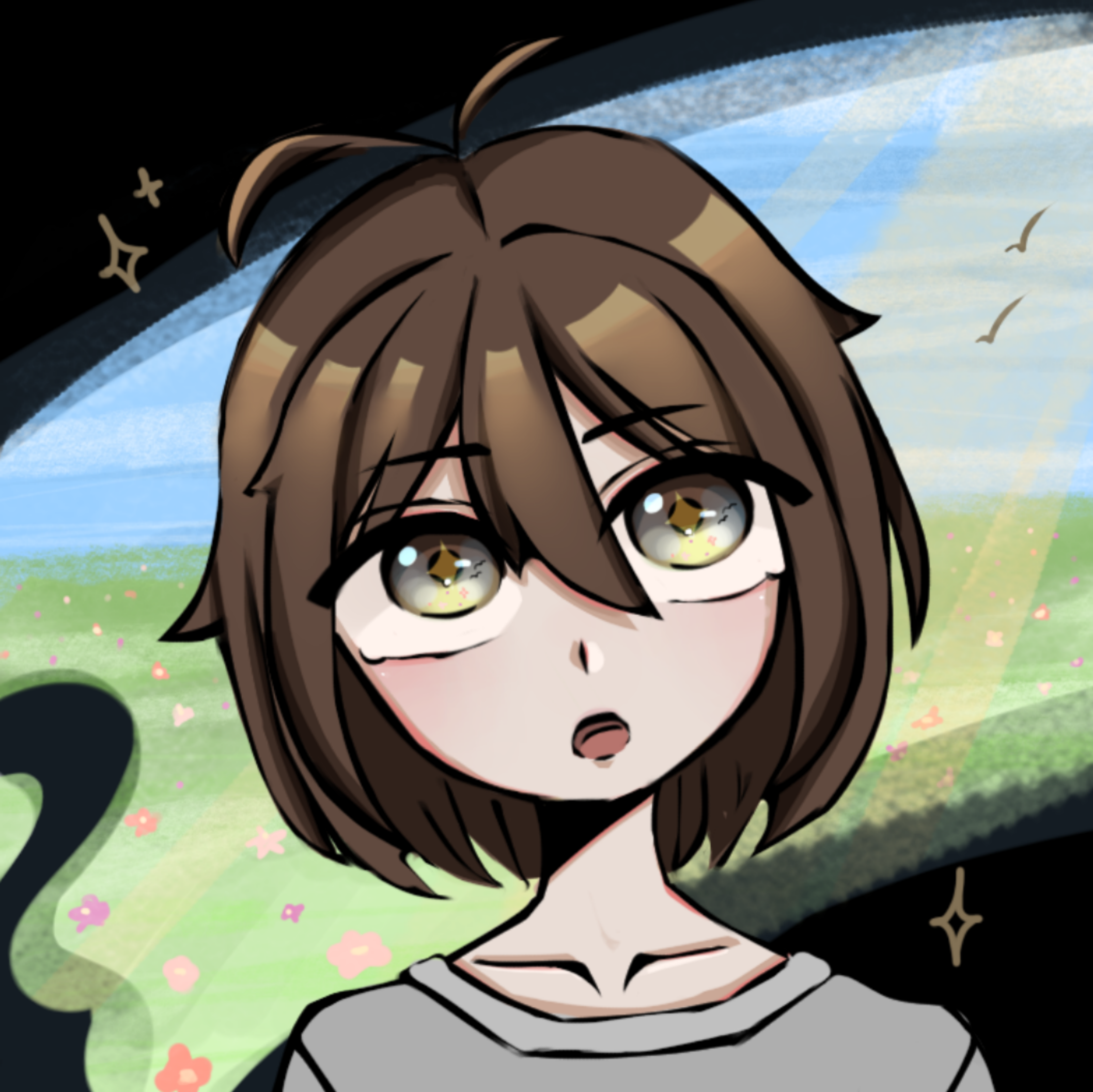
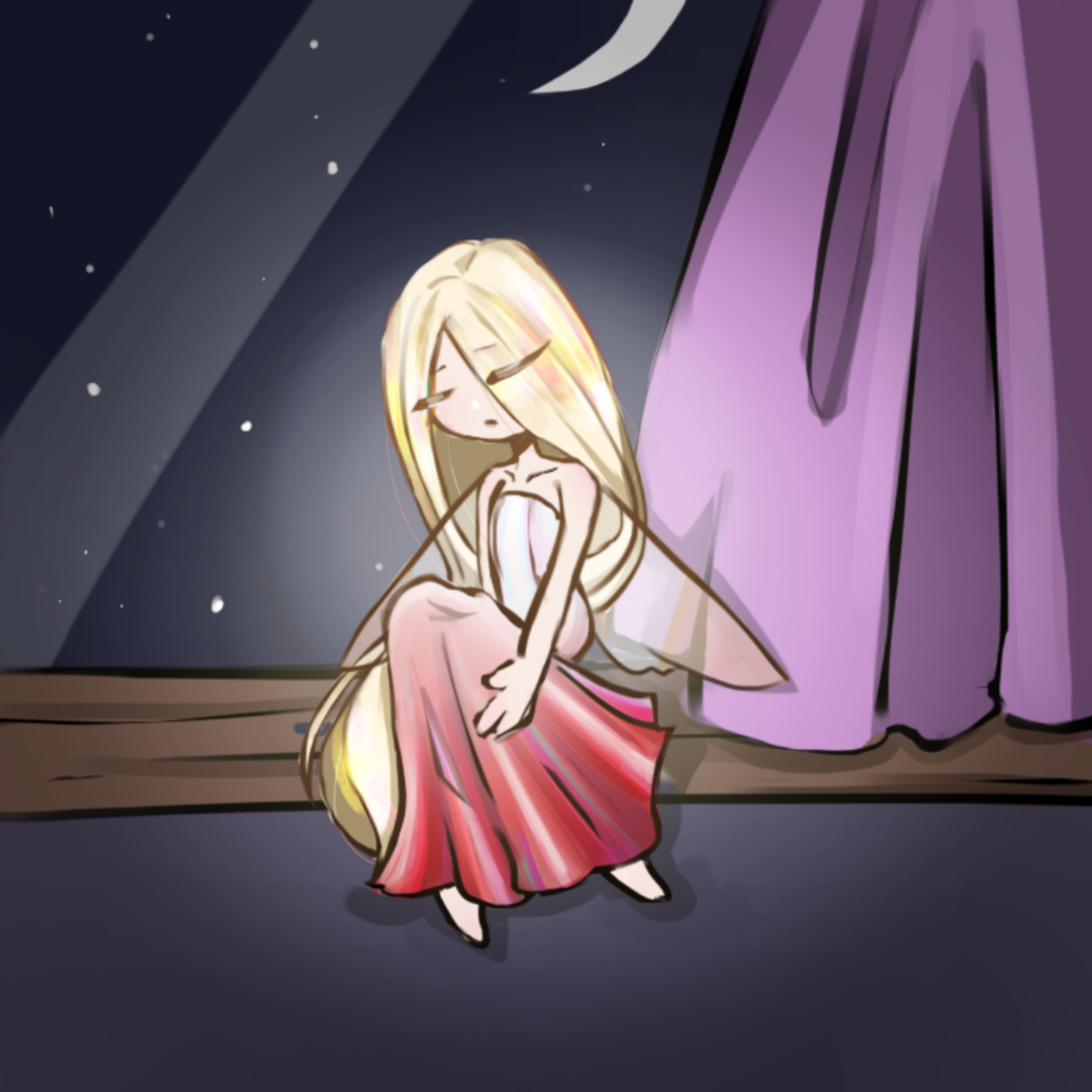
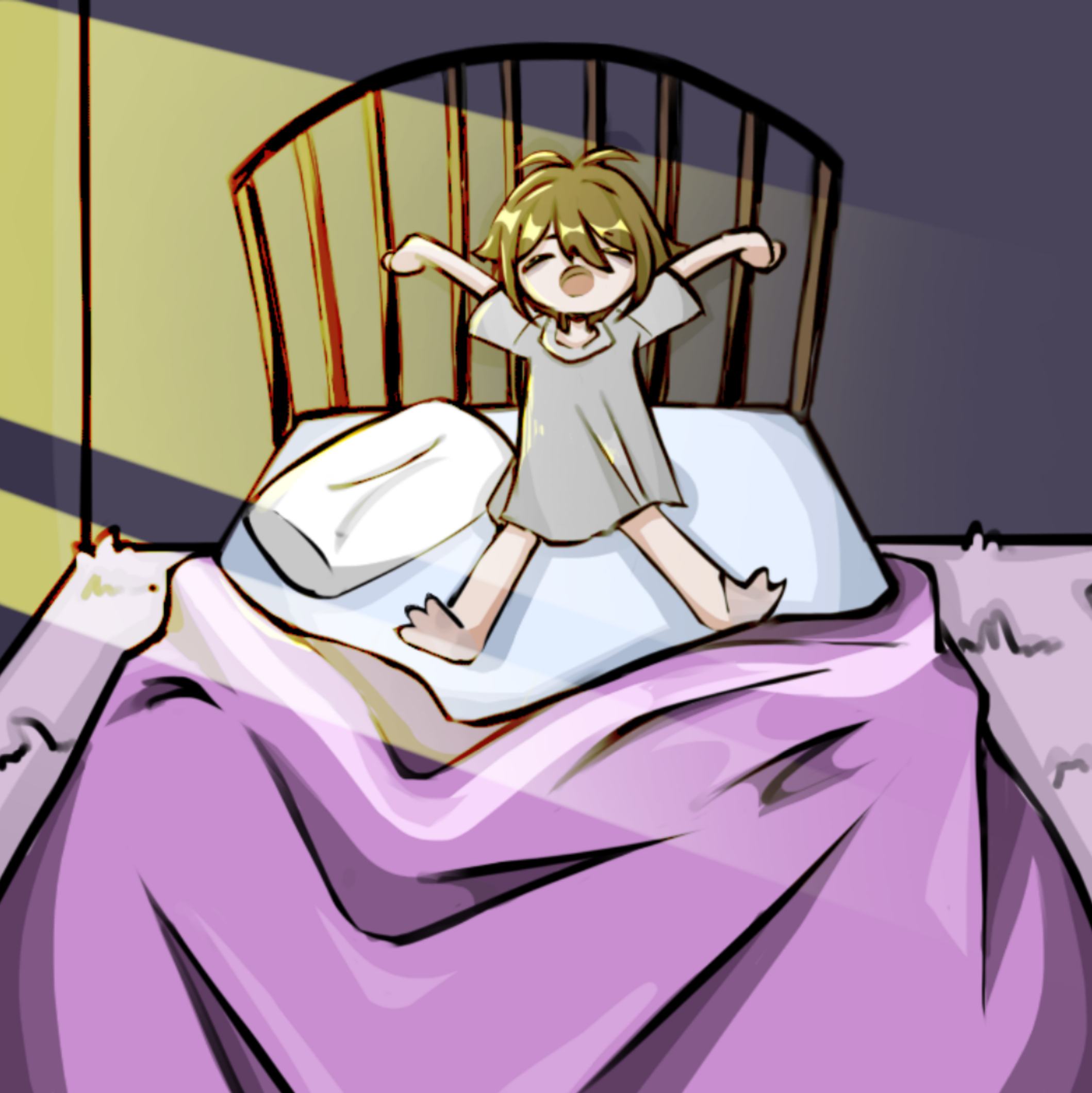
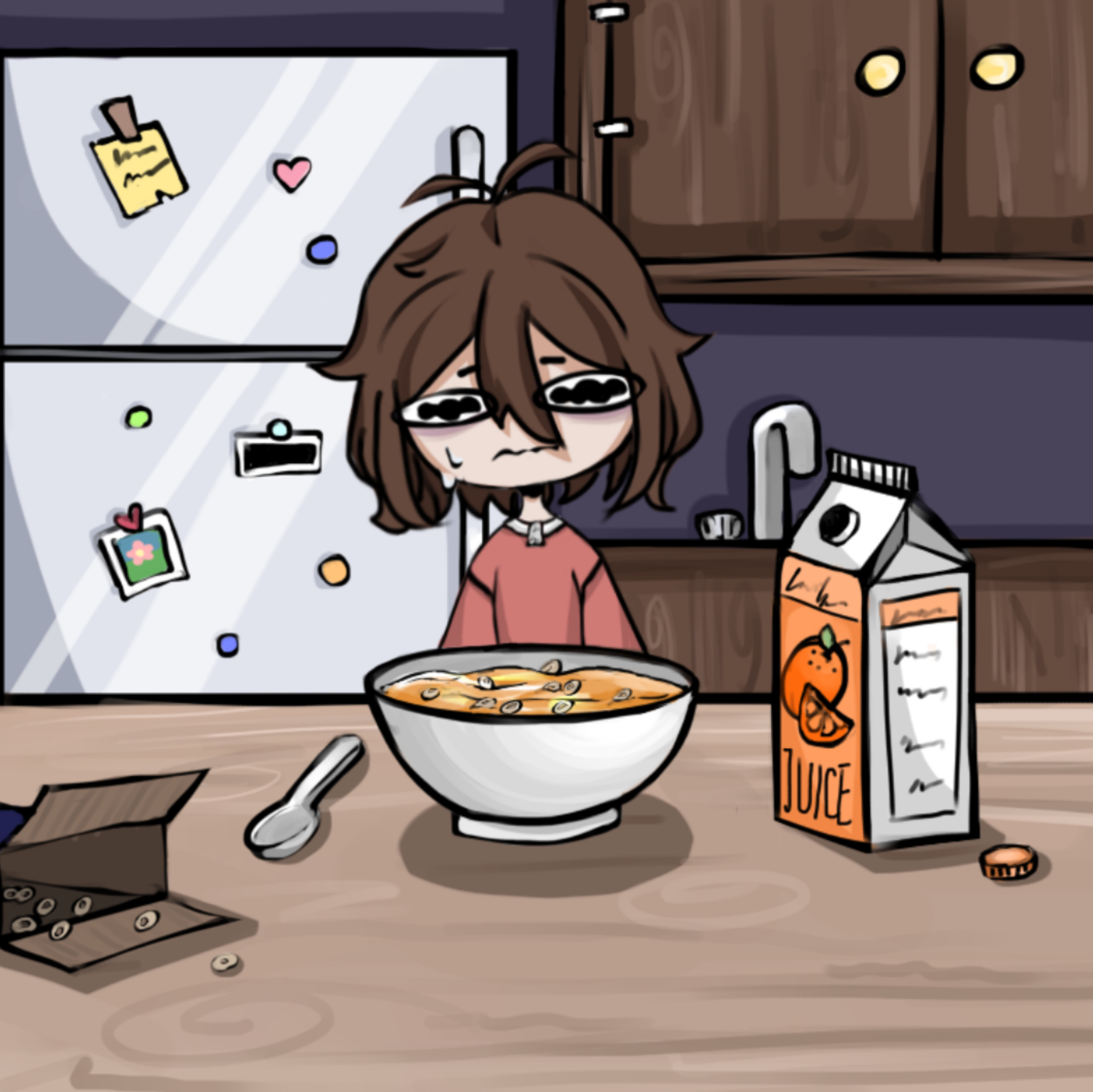
Buy here: https://www.amazon.com/dp/B0HNDMY3V3
EEG Research
After my experience teaching dance to children with special needs at FCSN, I began exploring further into different possibilities of how movement and music correlate to brain activity. My independent research project is about exploring the relationship between EEG brainwave activity and sound waves, combining neuroscientific principles with computer programming to create a program to translate EEG signals into musical output. Through this project, I've developed my analytical and coding skills while discovering countless future possibilities of the program, whether it be allowing disabled individuals to generate music and play instruments solely through thinking or implementing the program into a medical setting.
Stanford Journal Club
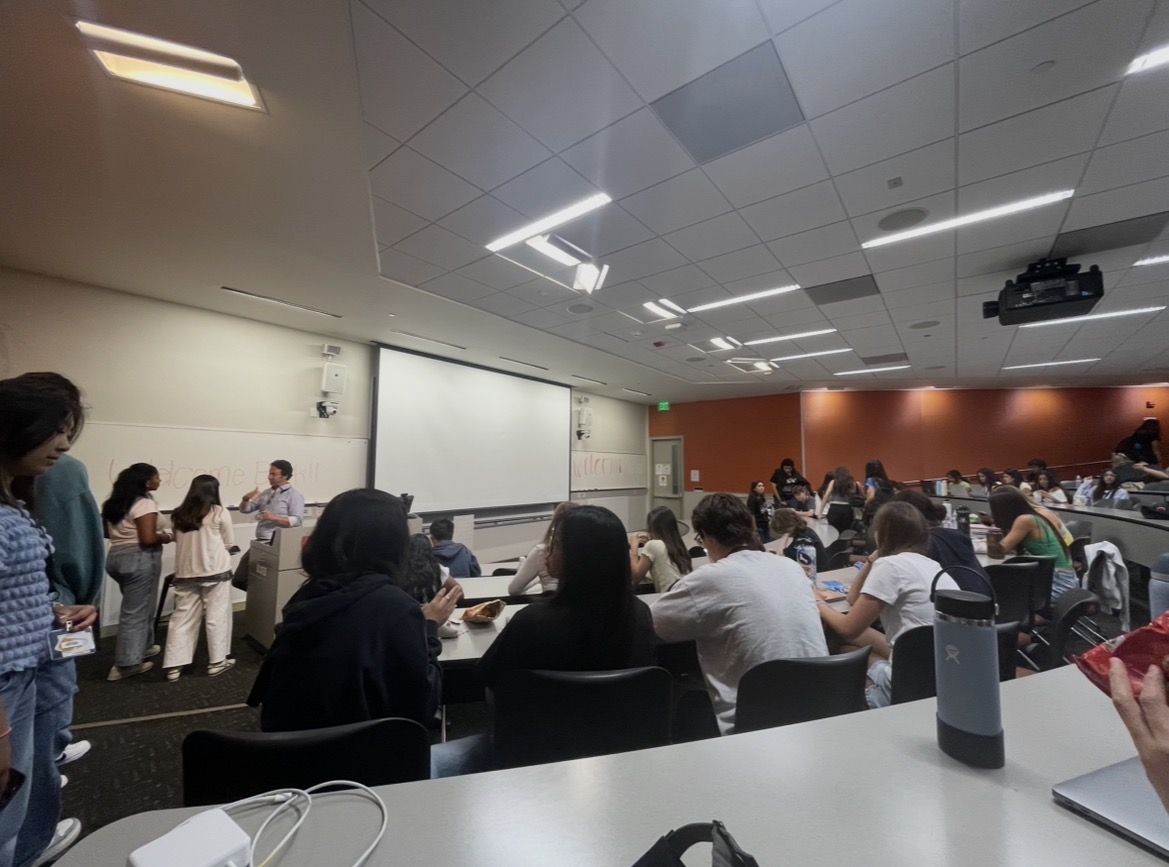
After being selected as a member of Stanford's Neuroscience Journal Club for the 2025-2026 school year, I have participated in monthly discussion meetings where professors and researchers present their latest discoveries across the field of neuroscience, whether it be about white matter stroke recovery, neurodegenerative diseases, neurosurgery, or brain-computer interfaces. Discussing the latest cutting-edge research with like-minded peers who share my interests has allowed me to broaden my horizons, teaching me how complex the field of neuroscience truly is and how much remains to be discovered. After being selected once again for the 2026-2027 school year, I am eager to return to the club.
Sleep Study
Sleep is one of the things that first sparked my passion for neuroscience. After participating in a Stanford sleep study run by Dr. Jamie Zeitzer, investigating how flashing light frequencies at night affect the circadian rhythm in high school students, I became fascinated by how something everyone experiences daily remains such a mystery after all this time. Since then, I've begun to explore further into the topic of sleep, exploring its connections to memory, cognition, and long-term brain health, inspiring several of my current research interests focused on spreading awareness about the importance and necessity of sleep.
Summer Programs (USC, JHU, and CNI-X)
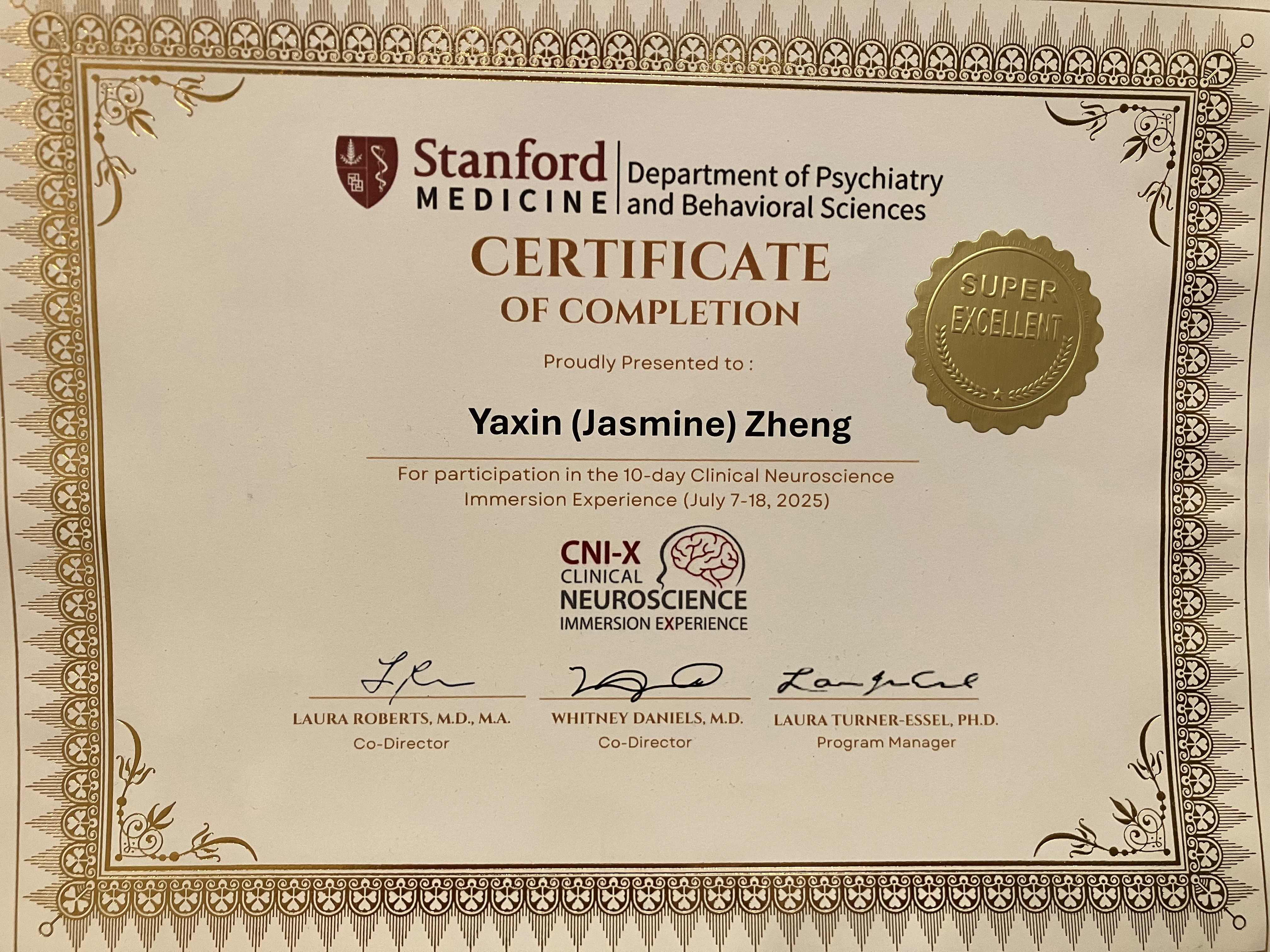
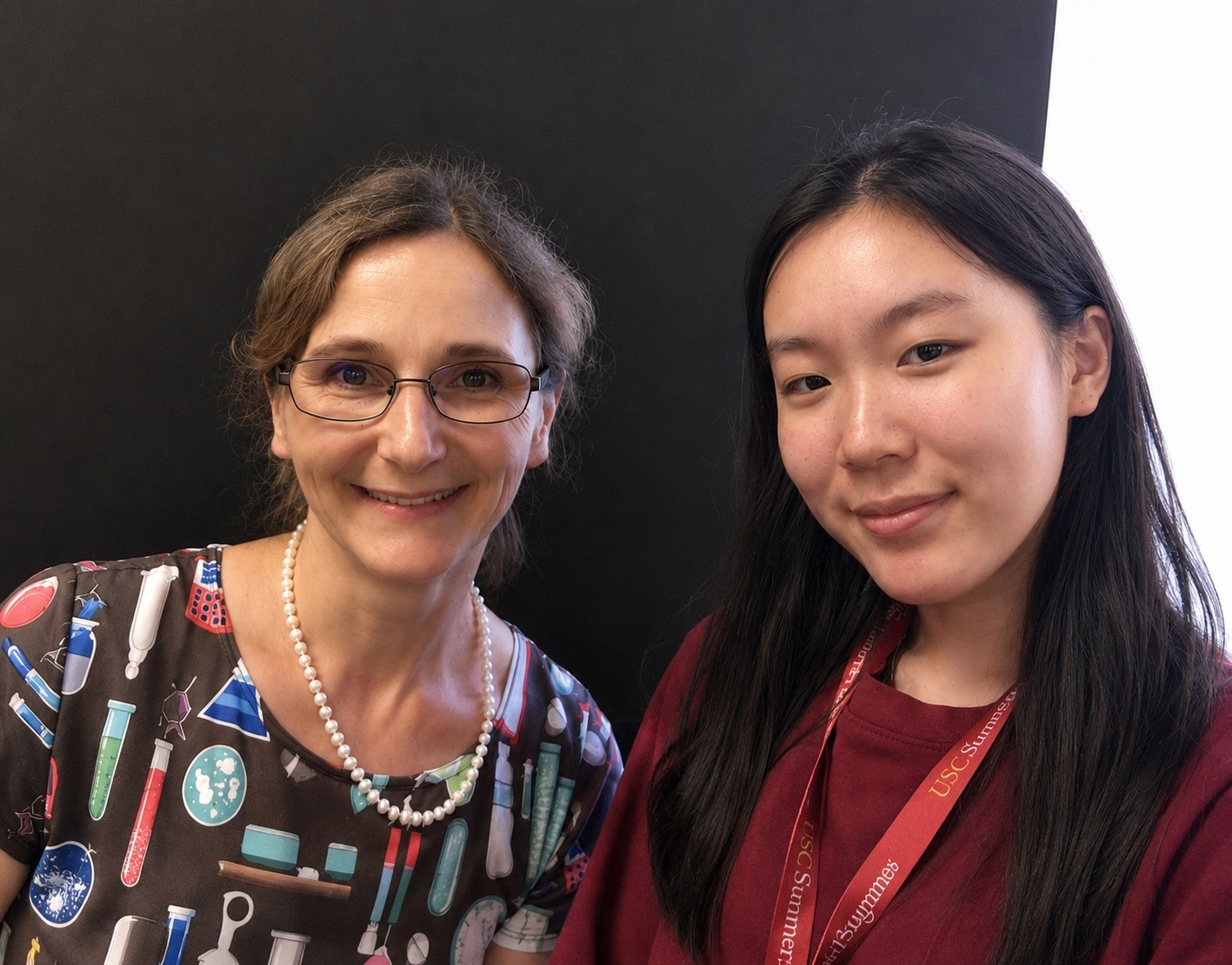
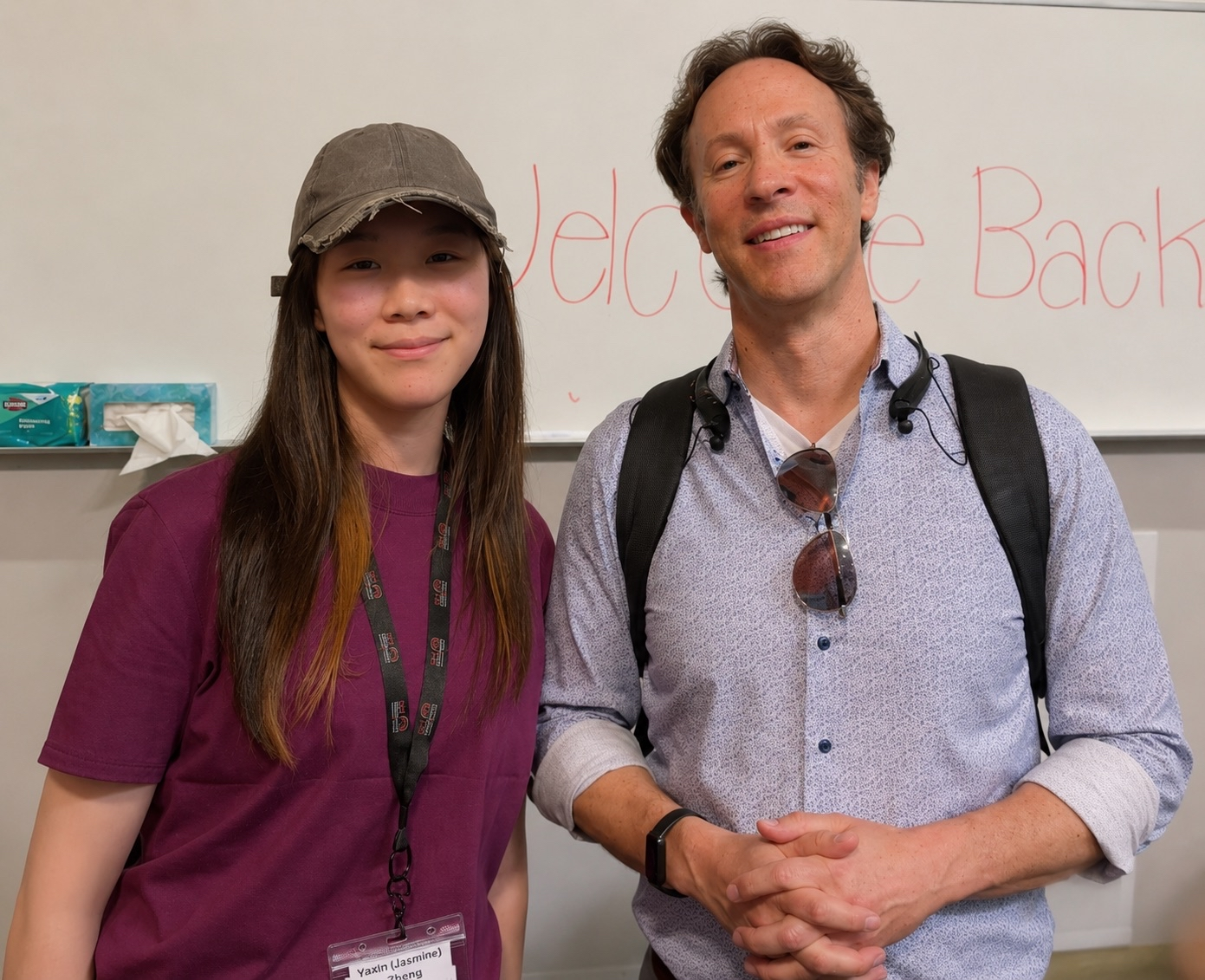
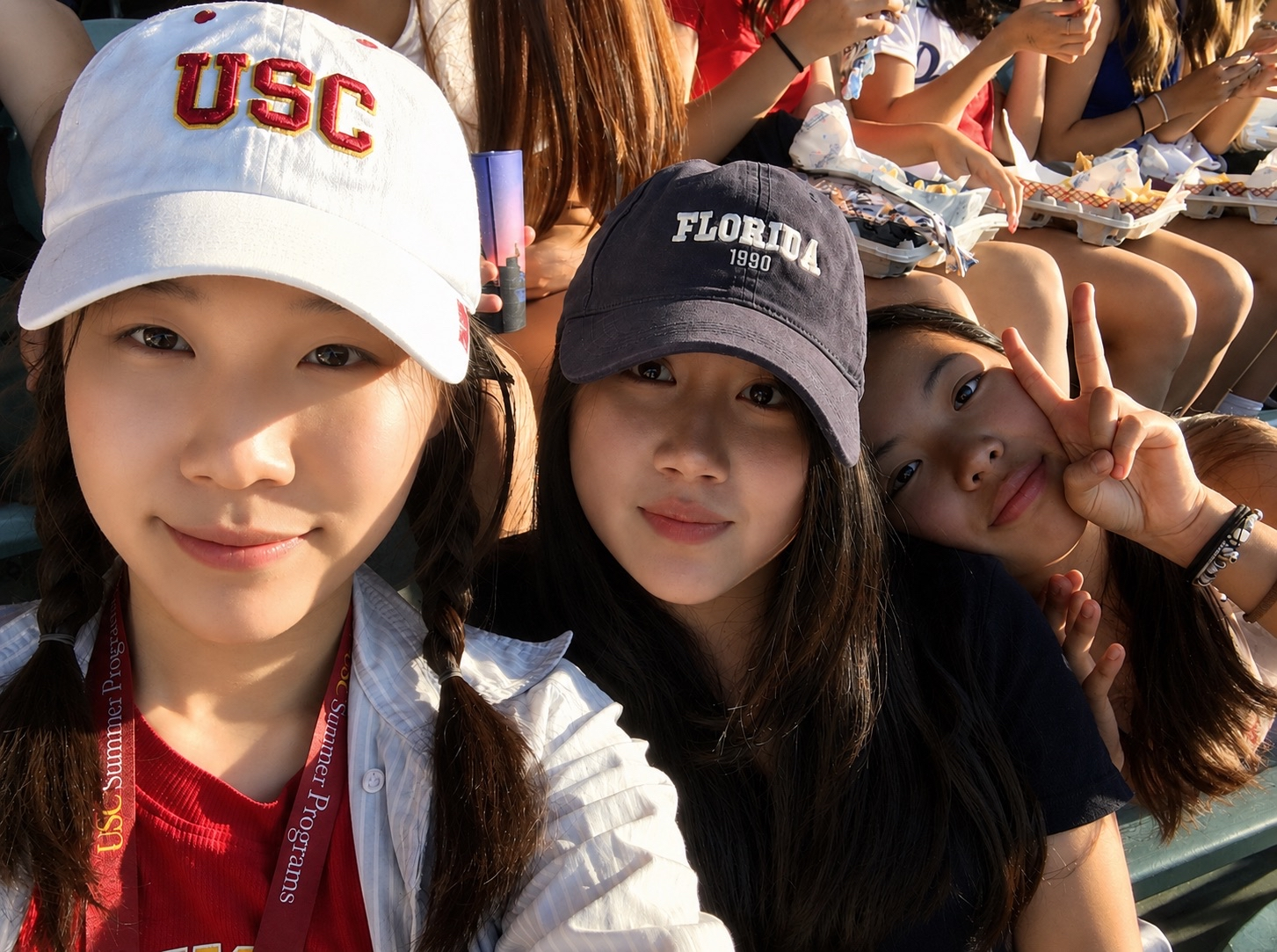
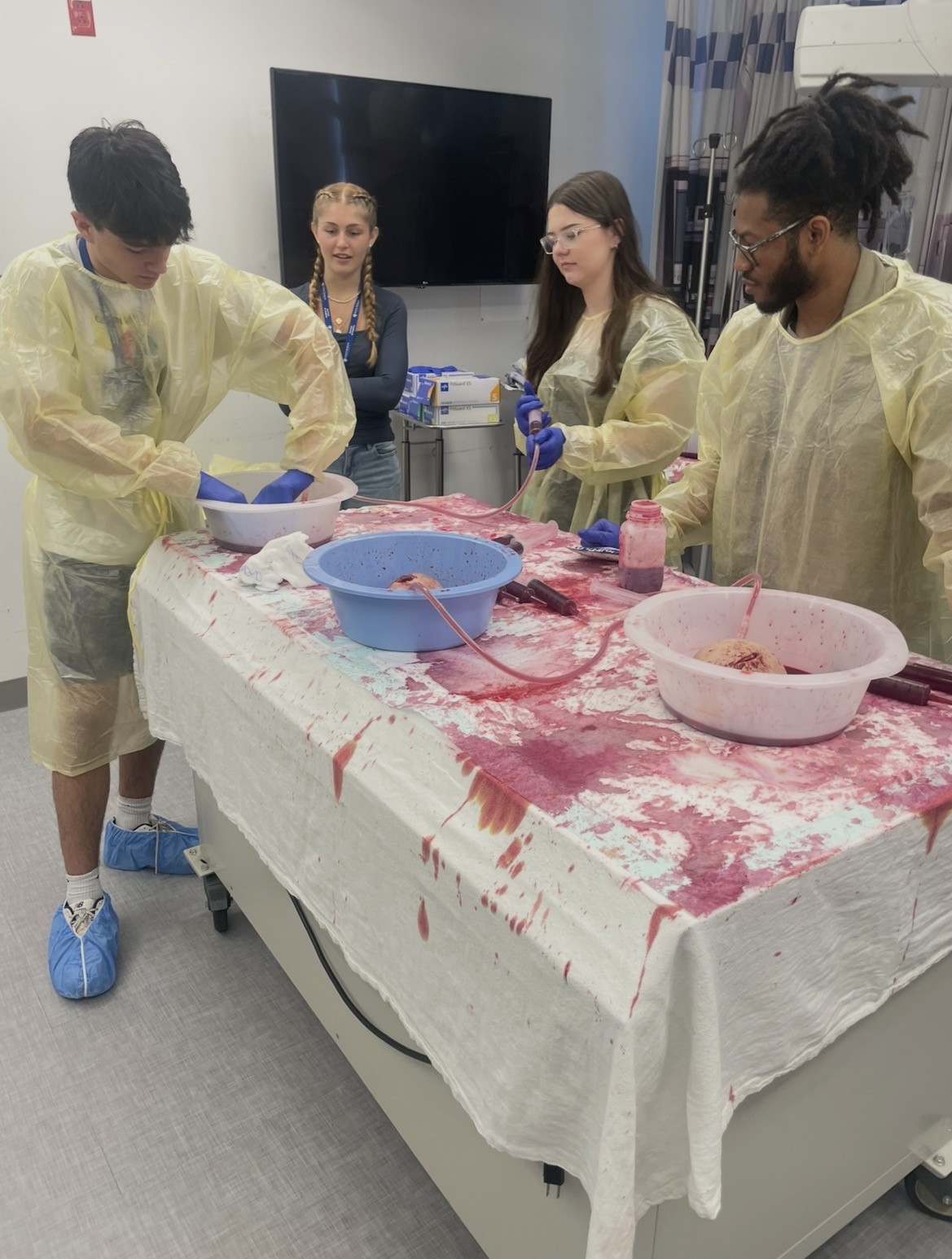
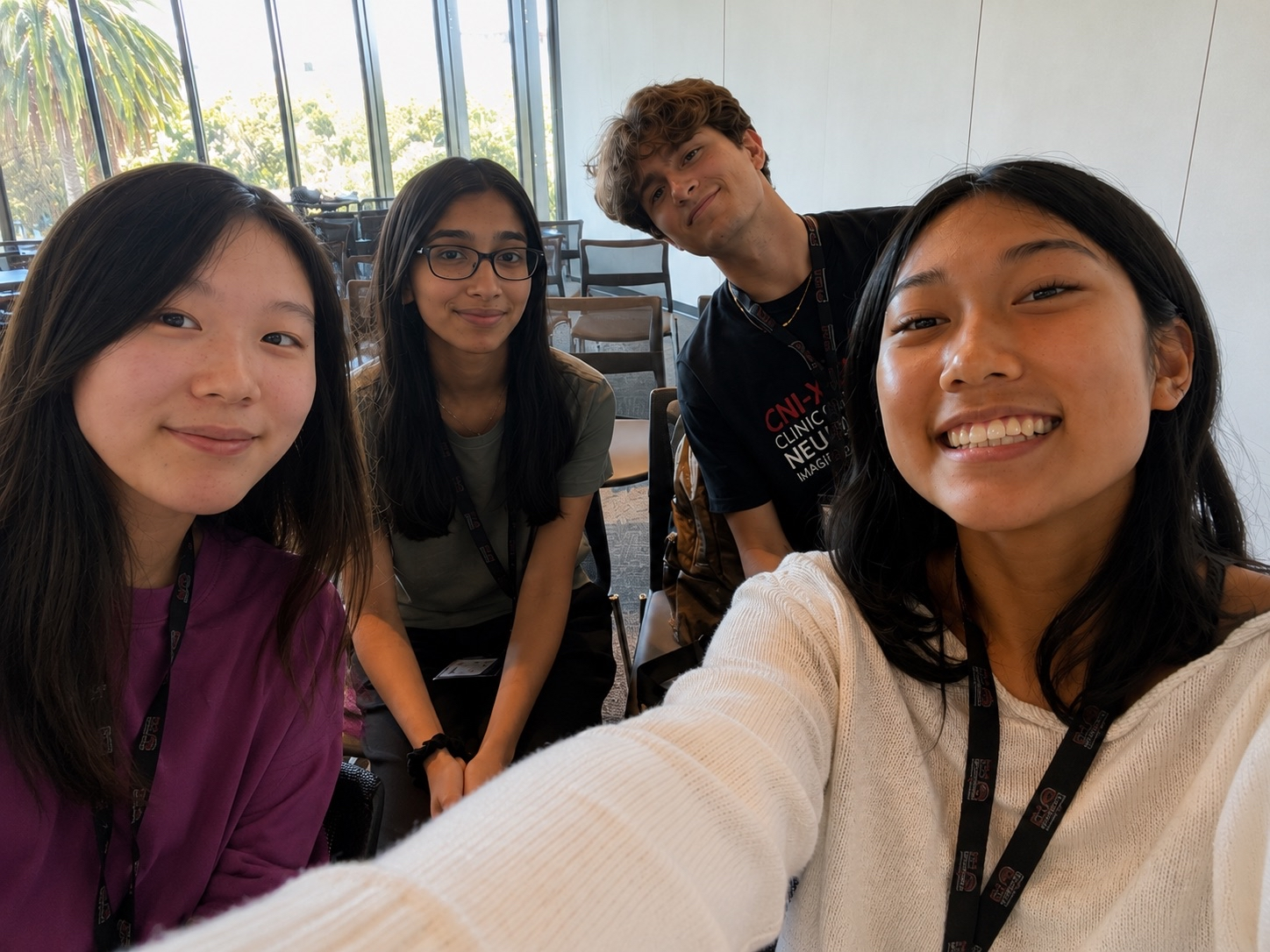
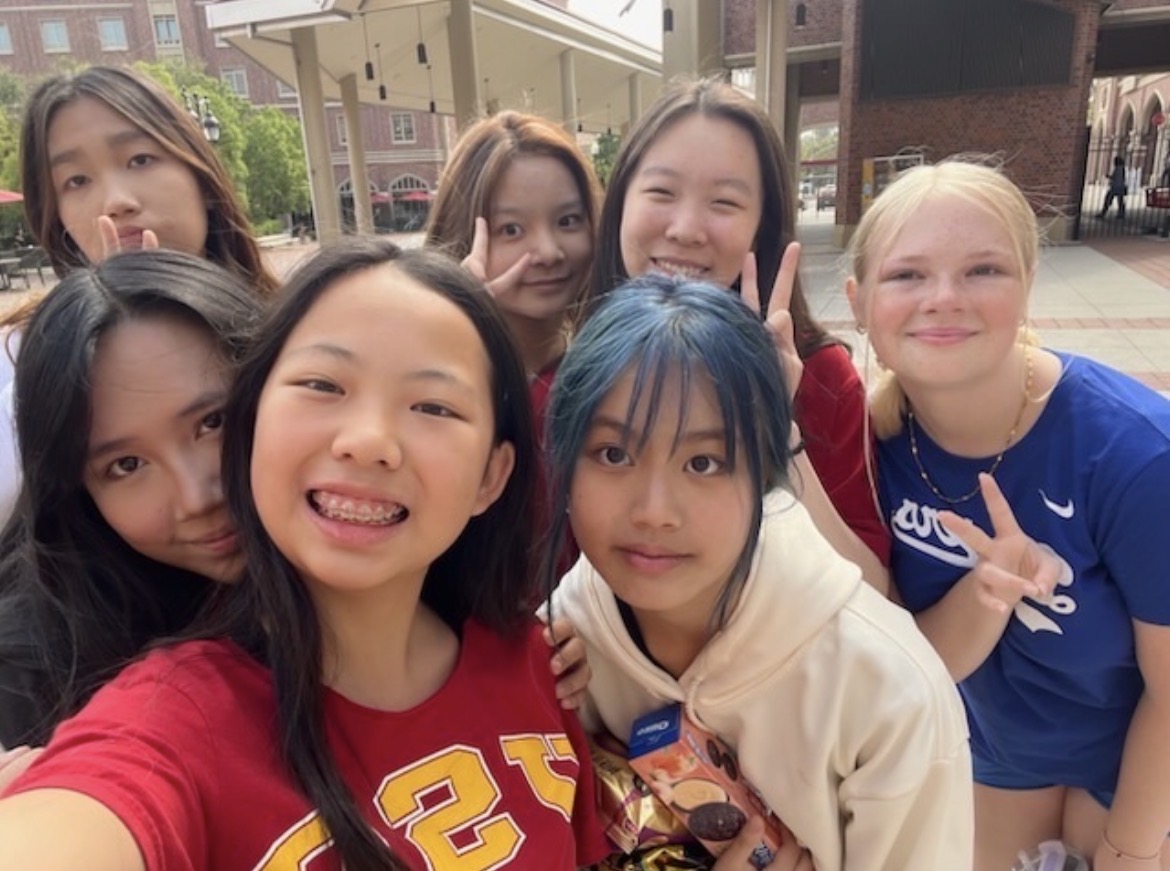
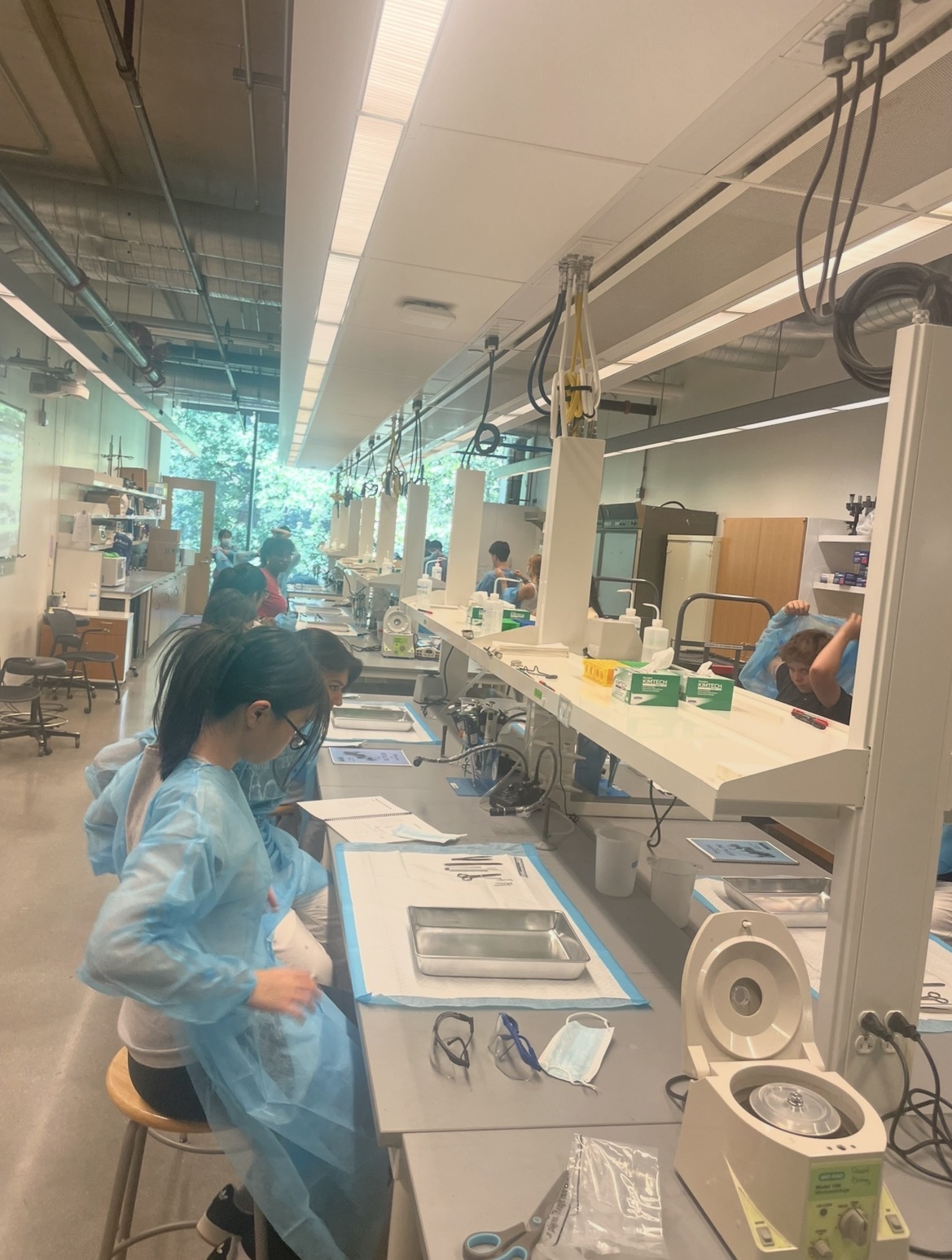
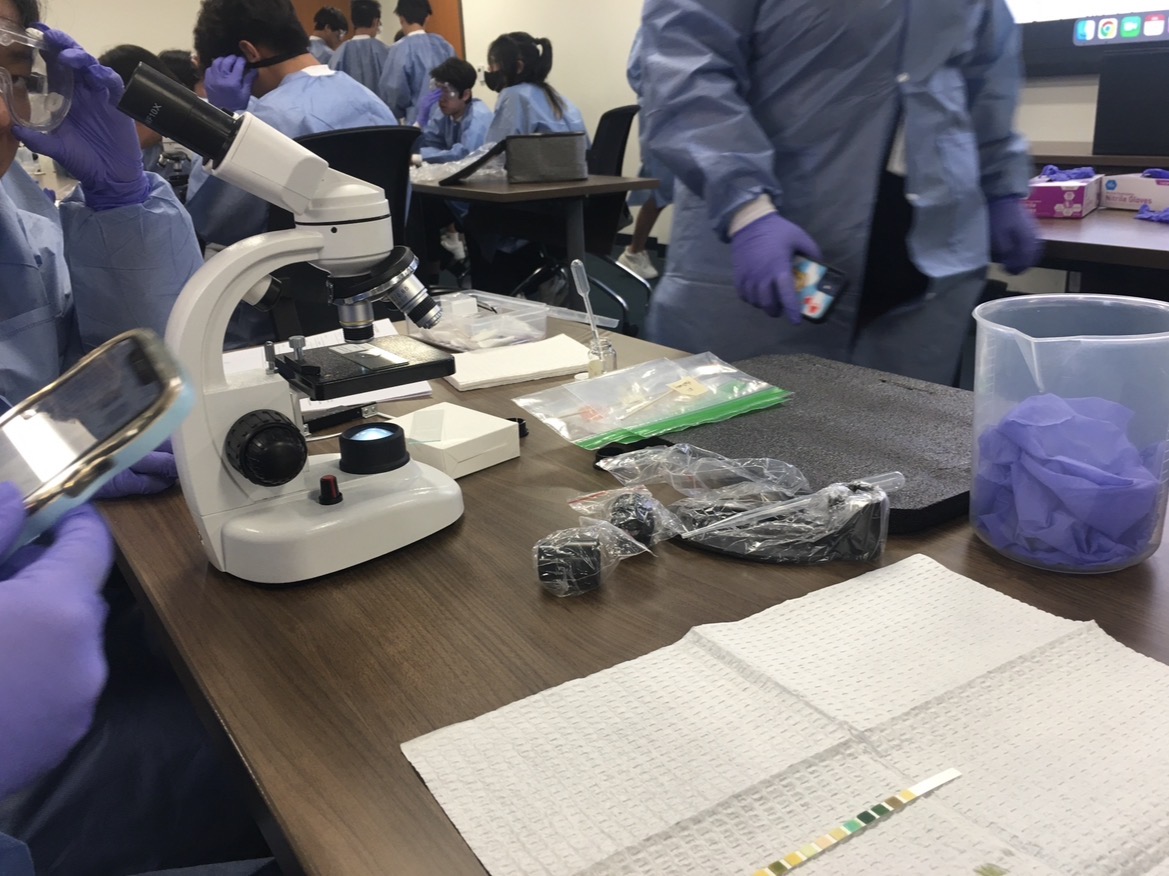
My interest in brain science, which I discovered at the start of high school, led me to pursue neuroscience through multiple summer programs at USC, Johns Hopkins University, and Stanford University. At USC, I was introduced to neuroscience through a month-long program, which encouraged me to take psychology the next school year. During the summer of 2025, I attended JHU's Medical Intensive program, which gave me hands-on experience through dissections and visits to the local hospital. Lastly, I attended Stanford's Clinical Neuroscience Immersion Experience (CNI-X), which gave me in-depth knowledge of different niches of neuroscience and gave me my first experience in a research project, which was about neuroplasticity and Bell's palsy, inspiring my future projects in translating neuroscience research into real-world healthcare solutions.
Medical Translator App
The main goal of my medical translator project is to improve accessibility in healthcare and communication between doctor and patient, especially in situations where misunderstandings could cause harm to patients. By using this app to make medicine, whether it be terms, doses, or even what certain pills are, more understandable to patients, allowing for a clear understanding of their treatment plans. By helping develop this app, my interest in using technology and my knowledge to solve real-world struggles are utilized, making more services inclusive and accessible.